Home › Masonry Restoration and Historic Preservation
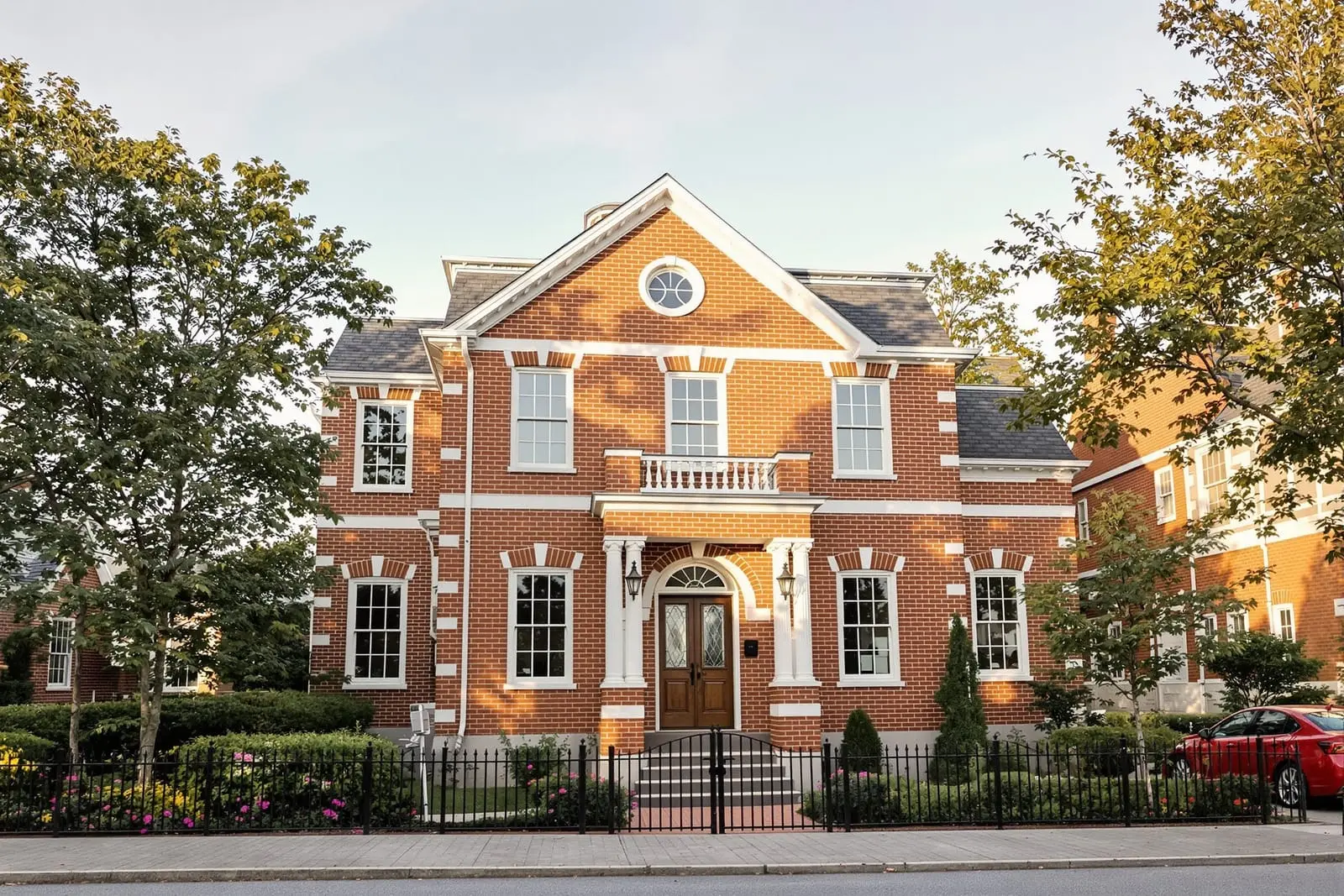
We handle masonry restoration in San Antonio, TX for historic and architecturally significant buildings. Our team matches brick, stone, and mortar to preserve original character while correcting structural and moisture issues. Cleaning, repair, and replication are completed with minimal impact on heritage details. Arrange a historic masonry preservation review for your property.
Vanguard Masonry San Antonio provides professional masonry restoration throughout San Antonio, TX and the surrounding area. Our licensed, insured crew delivers safe, clean, on-time work with a free estimate before anything begins. Call (210) 941-2631 or request your free quote.
Masonry Restoration in San Antonio: What It Really Involves
Masonry restoration is not just patching cracks and smearing mortar. For older brick, stone, and block buildings in San Antonio, Vanguard Masonry San Antonio starts with a detailed assessment of what has actually failed. We look at mortar joints, individual units, structural movement, and water paths, then we plan repairs that keep the original look and strength instead of just hiding the damage.
The first step is a close inspection of every elevation. We tap bricks and stones to find hollow or loose units, check for stair-step cracking, and look for past repairs that used wrong materials, such as hard Portland cement on soft historic brick. Photographs and notes are taken so you can see exactly what is going on, not just hear a vague summary.
From there, we prioritize issues: safety concerns like loose parapets and leaning chimneys, active water intrusion around windows, sills, and roof lines, and cosmetic issues like spalling faces and mismatched patchwork. This helps you decide what should be handled immediately and what can be phased, which is important for owners managing budgets on older homes and small commercial buildings.
Because San Antonio has a mix of early 1900s brick homes, limestone storefronts, and mid-century block construction, we adjust our restoration approach to each building type instead of using a one-size-fits-all method.
Historic Preservation: Matching Original Materials and Details
Historic preservation work focuses on protecting the original character of your structure while stopping further damage. Vanguard Masonry San Antonio spends time identifying the original masonry materials, not just picking whatever is available at the supply house.
For older brick buildings, we look at brick size, texture, and firing color so that replacement units blend when viewed from the street. For local limestone, common in older San Antonio facades and garden walls, we evaluate the stone density and color variation before choosing a quarry source for patching or unit replacement.
Mortar matching is critical in historic preservation. We perform on-site tests of the existing mortar, checking color, hardness, and sand type. When appropriate for the age of the structure, we use lime-rich mortars that are softer and more flexible than modern mixes. The goal is for new mortar to be slightly weaker than the brick or stone, so future movement cracks the joint instead of the face of the unit.
We also study original joint profiles, such as concave, weathered, raked, or flush, and replicate them with hand tools instead of using generic tooling. Details like this matter when you are trying to keep the original appearance of a 1920s facade on streets such as those near downtown or older neighborhoods like Monte Vista and King William.
How the Masonry Restoration Process Works Step by Step
Once the assessment and material matching are complete, Vanguard Masonry San Antonio lays out a step-by-step restoration plan so you know what will happen and in what order.
On a typical project, we start by setting up access and protection. That may mean scaffolding, safety tie-offs for higher work, and covering windows, landscaping, and nearby surfaces to prevent dust and debris from causing damage. For commercial buildings, we plan around business hours and customer access so you can stay open while work is underway.
Existing failing mortar is removed carefully by hand or with low-vibration tools to a proper depth, often 2 to 2.5 times the joint width. We avoid power grinding on historic brick, because it can chip the edges and widen joints permanently. Any loose or broken bricks, stones, or concrete blocks are taken out and salvaged if possible, or replaced with closely matching units.
Joints are then cleaned of dust and dampened before new mortar is packed in. This helps bond and reduces rapid drying in the South Texas heat. Mortar is installed in layers on deeper joints, compacted thoroughly to avoid voids. Once the mortar has set to the right firmness, we tool the joint to match the surrounding work, then brush or wipe the joints so the new work looks integrated rather than patched.
If cracks run through units instead of just joints, we may use hidden anchors, stitching rods, or partial reconstruction of localized sections. For parapets and chimneys, we check caps and flashing as part of the same process, since leaving those issues unresolved will shorten the life of the restoration.
Throughout the project we coordinate with you on access, noise, and clean up. At the end of each day, the site is swept, debris is removed or staged properly, and ladders or tools are secured.
Cost Drivers, Permits, and Local Considerations in San Antonio
Masonry restoration costs in San Antonio depend on several very specific factors. Vanguard Masonry San Antonio explains these up front so you understand where the number comes from.
Access is a big driver. Single story work over open ground is far simpler than third story work over a sidewalk, where scaffolding, pedestrian protection, and sometimes street permits might be required. Buildings on narrow downtown streets can also involve coordination with the city for right of way use.
The condition and hardness of existing materials affect labor. Removing soft, deteriorated lime mortar between fragile bricks takes more time and care than cutting out harder modern mortar in newer block walls. Matching specialty brick sizes, decorative stone, or intricate details around arches and columns also adds time.
If your property is within a San Antonio historic district, such as King William or certain downtown overlays, some exterior masonry work may require review or approval. We can help you gather the documentation a design review board or HOA might ask for, such as photos of existing conditions, proposed repair areas, and sample mortar colors. While we are not a law firm and cannot give legal advice, our experience with local requirements helps reduce surprises.
Moisture issues are another cost factor. If the restoration involves addressing long term leaks, we may need to integrate masonry work with flashing upgrades, weep hole restoration, and sometimes coordination with roofers or window contractors. Fixing the visible crack without addressing the water path is not worth your money, so we will point out when additional trade work is needed.
What San Antonio Owners Should Check Before Hiring a Masonry Restoration Contractor
Before you hire anyone for masonry restoration or historic preservation, it helps to ask specific questions that reveal how they actually work. Vanguard Masonry San Antonio encourages you to ask these questions of us and any other contractor you consider.
Ask how they plan to remove existing mortar. If they rely heavily on angle grinders for all joints on historic brick, you may end up with widened joints and damaged edges. A careful contractor will mix hand removal with limited power tool use, especially on older, softer masonry.
Request examples of past work on buildings similar in age and material to yours. Work on a modern brick subdivision home is very different from restoring a 1930s storefront or a limestone retaining wall that has been moving for decades. Look for before and after photos that show close up joint details, not just wide distance shots.
Check what materials they use for repointing and patching. The cheapest bagged mix on the shelf is rarely correct for historic work. You want a contractor who talks about sand type, color, strength, and compatibility with your brick or stone. For older properties, ask directly if they can provide a lime-rich mortar where needed.
Make sure they carry proper insurance, use written contracts that clearly define scope, and explain how they will protect nearby surfaces and control dust. In San Antonio, with our hot sun and sudden heavy rains, also ask how they will protect fresh mortar from rapid drying or storm washouts.
Finally, insist on a realistic timeline. Masonry restoration and historic preservation takes time if done properly. If a bid promises to repoint an entire large facade in a day or two for a very low price, you are probably looking at superficial work that will not last in our climate.
“
Professional masonry restoration and historic preservation, done right the first time, quality materials, honest pricing, and results that last.
Vanguard Masonry San Antonio
Masonry Restoration and Historic Preservation Across Our Service Area