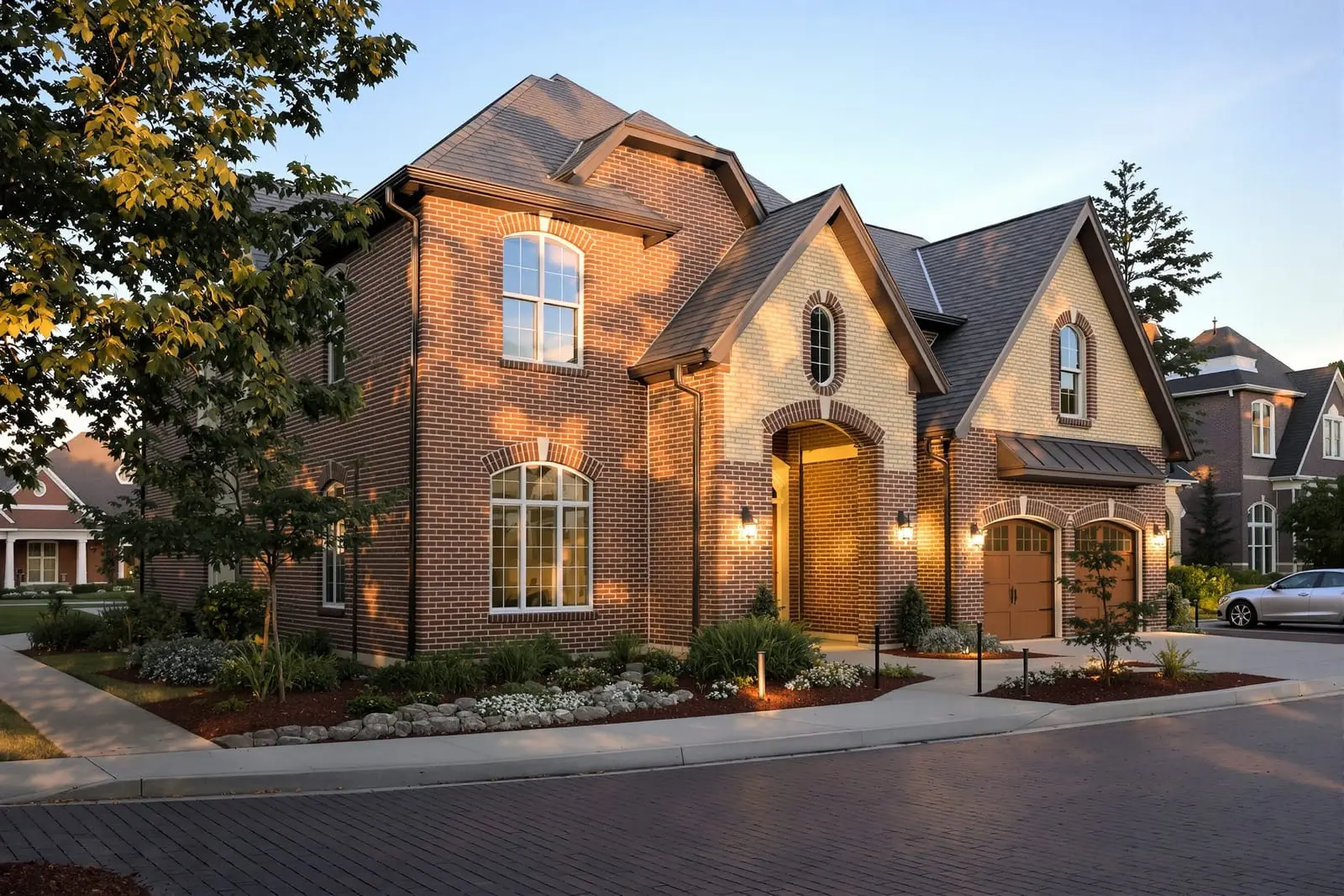
Our commercial brick veneer systems in San Antonio, TX give buildings the look of full brick with engineered performance. We install veneers over structural framing using anchors, air gaps, and flashing for long term durability. Ideal for offices, retail, and institutional projects, our systems meet design and code requirements. Request consultation on your next brick veneer project.
Vanguard Masonry San Antonio provides professional commercial brick veneer throughout San Antonio, TX and the surrounding area. Our licensed, insured crew delivers safe, clean, on-time work with a free estimate before anything begins. Call (210) 941-2631 or request your free quote.
Commercial Brick Veneer Systems for San Antonio Properties
Commercial brick veneer gives your building the look and durability of full brick without the structural weight or cost. Vanguard Masonry San Antonio focuses on commercial brick veneer systems that are built to handle our South Texas heat, sudden storms, and long-term sun exposure.
For local offices, medical buildings, schools, and retail centers, brick veneer is often the most practical exterior upgrade. It works well over concrete tilt-wall, CMU block, and some existing framed walls that are properly prepared. We plan each project around San Antonio code requirements, existing structure conditions, and how the building is actually used, not just what looks good on paper.
Our crews are used to working on active commercial sites. That means coordinating around tenant hours, loading docks, deliveries, and safety rules that come with busy properties. You get a clean, organized jobsite and realistic schedules that account for weather, inspections, and material lead times.
How We Install Commercial Brick Veneer Systems
A successful commercial brick veneer system starts with a thorough site and wall assessment. Vanguard Masonry San Antonio checks the substrate type (concrete, CMU, or framed with sheathing), existing coatings, and any signs of movement or moisture. We photograph and measure the building, locate expansion joints and control joints, then confirm structural support locations for veneer ledgers or shelf angles.
Next, we coordinate with your engineer or architect, or we work from our own design recommendations when appropriate. This step covers brick size and type, lintel and shelf angle layouts, veneer ties, weep locations, through-wall flashing, and movement joints. On multi-story buildings in San Antonio, we pay special attention to floor line transitions and shelf angle spacing so the veneer weight is properly supported.
Surface preparation comes before a single brick is laid. We remove loose coatings, repair spalled or cracked CMU, grind off high spots that would throw off plumb lines, and install required water-resistive barriers or air barriers on framed walls. For tilt-wall concrete, we check for form release agents and either mechanically abrade or prime as required so anchors bond correctly.
We then set base angles or ledgers at the proper elevation. This defines where the first course of brick veneer starts and controls drainage at the base. Brick ties are installed in a staggered pattern at code-required spacing, with additional ties at corners, openings, and any areas subject to higher wind loads.
During laying, our masons use control lines and story poles to keep courses level and joints consistent. We coordinate expansion and control joints with window and door locations so they function without looking out of place. Mortar selection is based on brick type, exposure, and desired joint profile, not just what is in stock. Every lift includes weep systems and flashing at openings, shelf angles, and transitions so trapped water has a way out.
Material Options and Design Choices for Commercial Brick Veneer
San Antonio properties range from historic-looking downtown offices to modern medical campuses, so commercial brick veneer needs to match both style and performance. Vanguard Masonry San Antonio sources brick from regional suppliers who understand our climate and color preferences, which helps keep lead times reasonable and color ranges consistent.
You can choose from modular, queen, and utility brick sizes, each affecting the pattern, apparent scale of the building, and installation cost. Larger units cover more area with fewer joints, which can save labor on big wall sections. Smaller modular or thin brick formats are better when you want detailed patterns, tighter curves, or complicated veneer around entries.
Color selection is about more than looks. Darker bricks absorb more heat, which can be a factor on west and south facing walls in San Antonio. We help you pair brick color with energy efficiency goals and adjacent materials like metal panels, stucco, or cast stone. We can provide mock-up panels on site so your team can approve the exact blend, mortar color, and joint profile before full production begins.
Mortar color and joint finishing change the appearance and the long-term performance of the veneer. Light mortar with dark brick creates a strong grid look, while color-matched mortar softens the pattern. Too hard a mortar can be an issue with some brick, so we select mixes that are compatible with the brick manufacturer’s specs and local building code.
We also design in elements like soldier courses above windows, rowlock sills, projecting bands, and accent panels using contrasting brick or thin stone. On commercial facades where signage is important, we plan attachment points and embedments during veneer layout so your sign contractor is not drilling blindly into finished masonry later.
Cost, Timing, and Local Factors for San Antonio Projects
Several specific factors drive the cost of a commercial brick veneer system in San Antonio. Wall height and access are usually first. Single story retail is easier to scaffold and move around than a four story office over a tight downtown sidewalk. Limited staging areas, power line proximity, and traffic control needs can increase labor and safety planning costs.
The substrate type matters too. Brick veneer over new CMU or tilt-wall is straightforward. Retrofitting over older framed walls with questionable sheathing, uneven surfaces, or existing finishes can require more prep and additional engineering. That means more labor, possible structural modifications, and sometimes temporary weather protection while we open walls.
Brick type and detailing also influence price. Custom blends, textured brick, intricate patterns, and heavy accent banding take more time to install. Standard wire-cut brick in running bond is the most economical. Mortar choice, tie systems, shelf angles, and flashing materials must also be factored. We are upfront about the cost differences between basic systems and higher performing options that give better drainage and movement control.
Weather and scheduling are very real considerations here. The best times to schedule major veneer work in San Antonio are typically late fall through early spring, when mortar is less likely to dry too fast in the heat and UV. We can and do work in summer, but it requires more curing control, shading, and water management to avoid weak joints or color issues. Heavy rain events can delay work on exposed walls, so we build in realistic float and use temporary protection where needed.
To keep your overall project on budget, Vanguard Masonry San Antonio coordinates with your GC or facility manager on material deliveries, scaffold sharing, and sequencing with other trades (such as window installers, roofers, and electricians). Clear phasing reduces downtime and prevents rework caused by trades cutting through newly completed veneer.
Common Problems With Commercial Brick Veneer and How We Prevent Them
Most long-term problems with commercial brick veneer in our area come back to moisture management, movement, or shortcuts in installation. Vanguard Masonry San Antonio designs and builds systems to avoid these issues before they show up as leaks or cracks.
Moisture problems usually come from missing or poorly installed flashing, blocked weeps, or lack of an air gap. Our standard details include a continuous cavity behind the brick, through-wall flashing at all horizontal interruptions, and weep vents at the correct spacing. We inspect these details as work progresses, not just at the end of the job.
Thermal movement is another big issue in the San Antonio climate. Brick, concrete, and steel all expand and contract at different rates in our temperature swings. If expansion joints and control joints are missing or badly located, you get stair-step cracking in mortar joints, separated corners, and pressure on window frames. We follow engineered joint layouts and avoid “hiding” joints in ways that make them ineffective.
Improper anchoring can also fail over time. We use corrosion-resistant brick ties and anchors that are rated for the specific substrate and local wind loads. Every tie is embedded with enough mortar cover and installed to spec, which is critical on taller buildings and open exposure sites like school campuses or warehouse parks.
For existing buildings, we often see veneer that was added without considering the extra weight and drainage. Before we retrofit, we verify that the structure can support the new veneer or we add shelf angles and support steel where needed. We also correct old mistakes like mortar-filled weep holes, missing flashing, and inadequate air gaps.
When you hire Vanguard Masonry San Antonio, you get a masonry contractor that treats commercial brick veneer systems as a building envelope, not just a façade. Our goal is a veneer that still looks good and performs correctly after years of South Texas weather, not one that only looks finished on opening day.
“
Professional commercial brick veneer systems, done right the first time, quality materials, honest pricing, and results that last.
Vanguard Masonry San Antonio
Commercial Brick Veneer Systems Across Our Service Area